

Table of Contents
Introduction
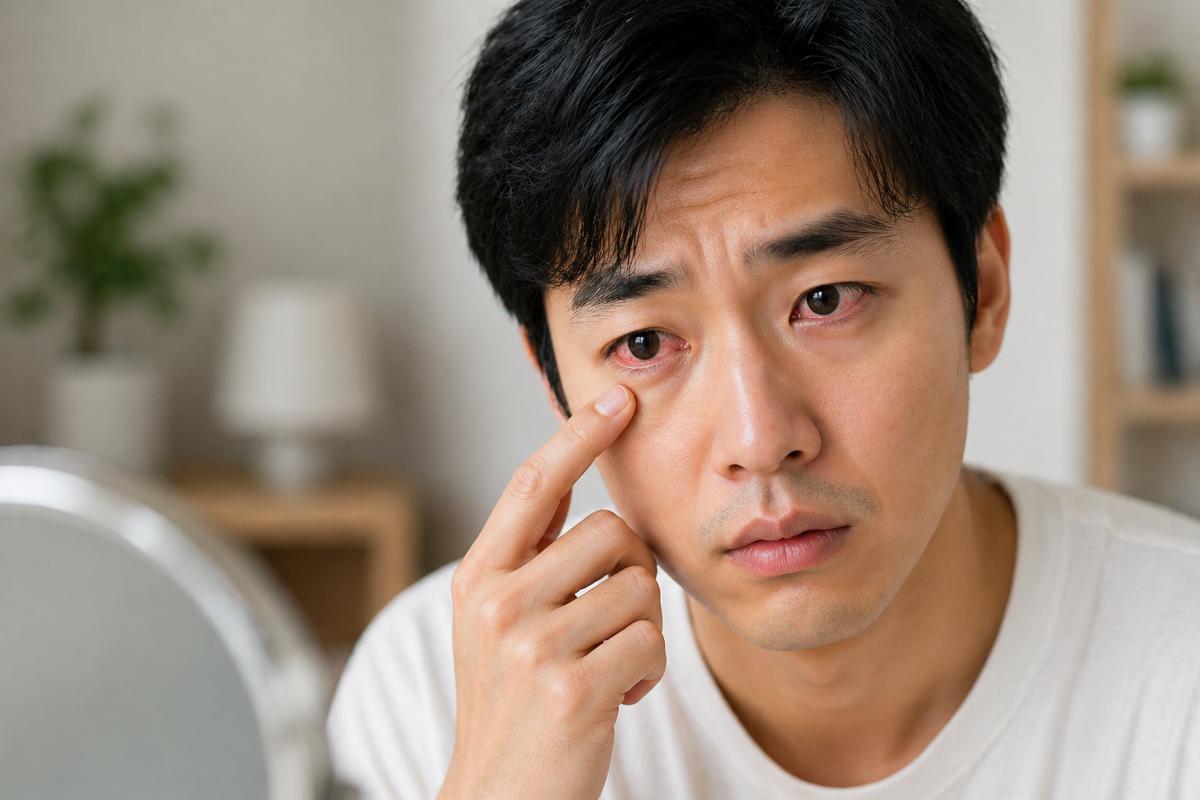
Most people deal with red eyes from time to time, like a late night, too many hours on a screen, or a rough allergy season. But when redness becomes a regular occurrence, your eyes are signaling that something isn’t right. Finding real relief starts with pinpointing the cause.
Chronic eye redness has many possible causes, ranging from everyday lifestyle habits to conditions that require professional care. At Golden Vision, we see and treat this regularly. Below, we’ll walk through the most common causes and what you can do about each one.
Could Dry Eye Syndrome Be Behind Your Redness?
One of the most common causes of chronic eye redness is dry eye syndrome. It’s more common than most people realize. It occurs when your eyes don’t produce enough tears, or when tears evaporate too quickly. The result is an irritated, inflamed eye surface. When blood vessels in the whites of your eyes dilate in response, chronic redness follows.
Dry eye tends to worsen in certain environments and situations, including:
- Extended screen use reduces your blink rate
- Heated or air-conditioned indoor spaces, which strip moisture from the air
- Windy or dry climates
- Contact lenses worn for too many
hoursTreatment options range from preservative-free artificial tears to prescription drops that reduce inflammation, as well as in-office procedures that improve tear production over time. If dry eye may be behind your redness, a comprehensive evaluation here at Golden Vision can identify the exact type and severity of your dry eye and guide the right treatment plan.
Are Allergies Causing Your Eyes to Stay Red and Irritated?
Another common cause of eye redness is allergic conjunctivitis, especially for those in high-pollen areas or with sensitivities to dust, pet dander, or mold. When these allergens reach the eye, the immune system releases histamine, triggering redness, itching, tearing, and swelling of the conjunctiva, the clear membrane covering the whites of your eyes.
Allergy-related eye redness can be tricky because it mimics other conditions. Key signs include redness that flares during certain seasons or after known triggers, intense itching (rather than pain), and symptoms that affect both eyes simultaneously. Over-the-counter antihistamine drops offer short-term relief, but moderate to severe symptoms often respond better to prescription eye drops or oral medications. Long-term management comes down to identifying and reducing your triggers.
Is Too Much Screen Time Contributing to Your Eye Redness?
Digital eye strain, also called computer vision syndrome, has grown increasingly common as screen time expands at work and at home. Prolonged screen use reduces your blink rate and limits tear distribution across the eye surface, leading to dryness, fatigue, and redness that typically peaks by evening.
Screen-related eye redness responds well to a few lifestyle adjustments. The most recommended starting point is the 20-20-20 rule: every 20 minutes, look at something 20 feet away for at least 20 seconds. Other helpful steps include:
- Adjust your screen brightness and contrast to lower the glare
- Try using a matte screen filter or glasses that block blue light.
- Position your monitor slightly below eye level to reduce lid aperture
- Use lubricating eye drops before and during extended screen sessions
If these changes don’t bring meaningful relief after a few weeks, a comprehensive eye exam is a good next step. It can rule out underlying prescription issues that may be making your eyes work harder than necessary.
Could an Eye Infection Be the Reason Your Eyes Look Red?
Conjunctivitis, also known as pink eye, occurs when the conjunctiva becomes inflamed or infected. It can be caused by a virus, bacteria, or other irritants. Both bacterial and viral conjunctivitis cause obvious redness, but they’re also accompanied by other symptoms that distinguish them from other causes of redness, including discharge, crusting along the eyelashes, and a gritty or burning feeling.
Viral conjunctivitis is the most common form, highly contagious and typically self-resolving within one to two weeks, since antibiotics don’t work against viruses. Bacterial conjunctivitis is less common and often clears on its own, though antibiotic eye drops are sometimes prescribed to speed recovery. If redness comes on suddenly, is accompanied by discharge, or spreads to the other eye, see an eye care provider promptly. Self-treating can delay recovery and, in some cases, worsen the condition. Our team at Golden Vision can quickly determine whether you have an infection and start appropriate treatment.
Are Environmental Irritants Making Your Eyes Chronically Red?
- Wraparound safety glasses or goggles in high-exposure areas
- An eye rinse with sterile saline solution after a swim
- Switching to fragrance-free or hypoallergenic eye and skincare products
- Using an air purifier, particularly in the bedroom
When Should You See a Doctor About Red Eyes?
Mild cases of eye redness can often be managed at home, but persistent redness can be a sign that something more serious is going on. Don’t wait to see your eye care provider if redness is accompanied by pain, sudden vision changes, severe light sensitivity, or an obvious eye injury. These may indicate conditions like acute angle-closure glaucoma, corneal ulcers, or uveitis, all of which require prompt care to prevent serious complications.
Even without those warning signs, redness that persists beyond seven days or keeps coming back warrants a professional evaluation. A comprehensive eye exam can identify the root cause and guide an effective treatment plan. At Golden Vision, we take chronic redness seriously, because healthy, comfortable eyes are about more than clear vision. You don’t have to accept red eyes as your new normal.
Ready to get to the bottom of your red eyes? Schedule an appointment at Golden Vision for a comprehensive exam and a treatment plan built around what’s actually causing your redness.
FAQs
Medical Disclaimer: This content is for informational purposes only and does not constitute medical advice, diagnosis, or treatment. Always seek the advice of your eye care professional or other qualified health provider with any questions you may have regarding a medical condition. Never disregard professional medical advice or delay seeking it because of something you have read on this website.