

Table of Contents
Introduction
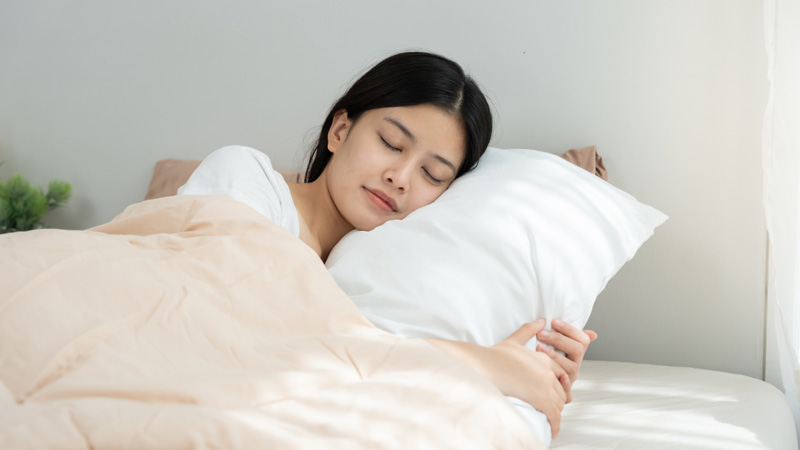
Although a good night’s sleep has an important role in your general health, the impact it has on your eye health is usually overlooked. While you sleep, your eyes are getting a break from constantly moving and staring at electronic screens. This resting period allows the necessary repair steps to occur. During this period, moisture is being maintained, and inflammation is lessened. These all help support vision that is clear and comfortable all day long.
When your sleep patterns are poor or not consistent, your eyes can struggle to heal correctly. This can lead to dryness, fatigue, irritated eyes, and blurry vision. As more time elapses, these continuing sleep issues can contribute to eye strain and can even worsen eye conditions that already exist. Once you understand the way sleep quality affects your eyes, you have taken an important step in the protection of your eyesight and keeping your vision healthy for the long-term.
Why Is Sleep Essential for Overall Eye Health?
Sleep is necessary for your general eye health because during sleep, your eyes have the time to rest, repair, and reset themselves after constantly being in use during the day. While sleeping, your eyes can restore moisture levels, regulate tear production, and clear away irritants that have built up during the day. During this recovery process, eye strain from excessive screen use, reading, and exposure to bright or artificial light is all lessened. When you get enough sleep, this also supports healthy blood circulation that helps your eyes get the right amount of oxygen and nutrients they need to function properly.
When you get consistent sleep regularly, many eye issues like dryness, redness, irritation, and blurry vision can be prevented or even reduced. On the other hand, constantly being deprived of quality sleep can contribute to inflammation, increased eye pressure, and poor tear quality. These all can have a significant impact on your eye health over the long-term. In addition, lack of sleep has also been linked to having a greater risk of conditions affecting the optic nerve and the retina. By making sure you have sufficient quality sleep, you are on the way to clearer eyesight, more comfortable vision, and healthier eyes for the long-term.
How Do Your Eyes Recover During Sleep?
While you sleep, your eyes begin an important recovery phase that helps them restore comfort and work correctly after being used all day long. Production of tears gets regulated so that your eyes can rehydrate and maintain a healthy tear film. It is this tear film that protects the surface of the eyes. Because there is less blinking and eye movement during sleep, your eye muscles now have the opportunity to relax so that the eye strain due to excessive screen time and reading can be eased.
During sleep, cells are repaired, waste within your eyes is removed, and the increased blood flow can deliver the oxygen and other essential nutrients needed for healthy, comfortable vision. Simultaneously, inflammatory byproducts are being cleared away. This process is helpful in protecting sensitive eye structures like the cornea, retina, and the optic nerve. Regular quality sleep helps maintain these natural recovery mechanisms so that dryness, irritation, and eyestrain is reduced while at the same time, helps promote long-term health of your eyes.
What Eye Problems Are Linked to Poor Sleep Quality?
There is a noticeable effect on your eyesight for the short term as well as over time, due to poor sleep quality. When your body doesn’t get enough rest, your eyes miss out on the recovery processes that keep them well-lubricated, comfortable, and able to function correctly. This can lead to a whole host of eye problems affecting everyday comfort and long-term vision health.
Eye problems commonly linked to poor sleep quality include:
- Dry eye syndrome, happens because of lowered tear production and unsatisfactory tear quality
- Eye strain and fatigue, usually cause a feeling of soreness or heaviness around the eyes
- Blurred vision, mostly happens after waking up or during long visual tasks
- Redness and irritation, is caused by inflammation and less repair to the eyes’ surface
- Eye twitching, caused by fatigue and stress to the nervous system
- Dark circles and puffiness, have a connection to fluid retention and poor blood circulation
- Increased eye pressure, can worsen some eye issues as time goes by
Prioritizing healthy sleep habits allows the eyes time to recover, repair, and maintain proper moisture and circulation. By improving sleep quality, you can reduce discomfort, support clearer vision, and help protect your eyes from ongoing strain and inflammation.
By making healthy sleep habits a priority, you are giving your eyes the opportunity to repair themselves and maintain good moisture and circulation
How Does Blue Light Exposure Before Bed Impact Your Eyes?
Being exposed to blue light before going to sleep can interfere with your eyes’ natural ability to recover and to wind down. Light from our electronics – phones, tablets, computers, and televisions- stimulates both the eyes and the brain. This suppresses the production of melatonin and delays the sleep cycle. This additional stimulation can lead to eye strain, dryness, and difficulty relaxing the eye muscles. Thus, it’s more difficult for the eyes to shift over to their nighttime recovery phase.
As more time elapses, exposure to blue light at night can contribute to continuing eye discomfort and fatigue. Poor sleep quality lowers the eyes’ ability to restore moisture and clear away irritants, which all affect healthy circulation. Exposure to blue light at night can also worsen symptoms like blurry vision, irritated eyes, and light sensitivity. It may also increase the risk of stress to the eyes over the long-term. When you limit screen use before going to sleep, you can help protect your eyes’ comfort and support healthier sleep patterns.
How Much Sleep Do Your Eyes Need to Stay Healthy?
For most adults, about seven to nine hours of quality sleep per night is needed to support good overall eye health. While asleep, eyes rest from constant motion and focus, while simultaneously, repair processes take place. Sleep is vital to restore the tear film, which keeps eyes moist, lessens inflammation, and lets eye muscles relax. All of these are vital for clear, comfortable eyesight all day long.
It isn’t only the number of hours slept that is important, but just as important is the quality of that sleep. Sleep that is consistent and uninterrupted can support proper blood flow to the eyes and also help regulate eye pressure, which is vital for long-term eye health. Sleep that is poor or irregular can leave you with eyes feeling strained, dry, or even irritated. This makes it more difficult to have visual clarity and comfort.
What Are Signs Your Eyes Aren’t Getting Enough Rest?
When your eyes aren’t getting as much rest as they should, they generally send some subtle as well as not-so-subtle signals to let you know that something doesn’t seem right. Lack of quality sleep interferes with your eyes’ ability to recover. This, in turn, can lead to discomfort and changes in how well you are able to see and feel all day long.
Common signs your eyes may not be getting enough rest include:
- Constant dryness, burring or irritation
- Eyes that are red or bloodshot
- Vision that is blurry or fluctuates
- An increase in light sensitivity
- Eyes that twitch or experience muscle spasms
- A heaviness, soreness, or eyes that feel tired
- Trouble focusing, particularly during screen use
- Having headaches or eye strain by day’s end
If you are experiencing these symptoms on a regular basis, improving your sleep habits may help relieve your eye discomfort and support better visual quality. If you are still experiencing these symptoms even though you seem to be getting enough rest, an eye care professional can be helpful in identifying the underlying issues and can recommend treatment.
How Can Golden Vision Help Detect and Manage Glaucoma Early?
Quality sleep plays an important role in maintaining healthy eyes and clear vision. During sleep, your eyes recover from daily strain, restore moisture, and support proper tear production. Poor sleep or ongoing sleep deprivation can contribute to dry eyes, irritation, blurred vision, and increased eye fatigue, especially for those who spend long hours on digital devices.
Over time, lack of quality sleep may also affect overall eye comfort and visual performance. Prioritizing healthy sleep habits can help reduce eye strain, improve focus, and support long term eye health. If you are experiencing ongoing eye discomfort or vision concerns, schedule now to take a proactive step in protecting your eye health.