

Table of Contents
Introduction
What Are Dry Eyes and Eye Infections, and Why Do They Often Get Confused?
Dry Eye and eye infection are completely different conditions. However, there are enough similarities in their symptoms that it is understandable why people mistake one of them for the other. Dry eye is a condition in which your eyes aren’t producing a sufficient amount of tears. Or, if the tears that they do produce are of such poor quality that they can’t keep your eyes as well lubricated as they should. An eye infection, however, is caused by bacteria, viruses, or other pathogens entering part of your eye or its surrounding tissue.
The two conditions are confusing to most people because each one can cause redness, irritation and the feeling that something just doesn’t seem normal. Unless you know what to be on the lookout for, you might reach for some over-the-counter eye drops, hoping that they will clear up this issue. However, if you treat an infection as though it is dry eye, or vice versa, it can not only delay getting relief, but with some people, it can make the problem even worse.
What Does Dry Eye Actually Feel Like?
People generally think of dry eye as a constant, low-grade type of discomfort, and not a sudden or very severe pain. It generally develops gradually and gets worse as the day progresses, particularly after looking at your electronic screens for a long time, reading, or being in areas that are dry or windy. Did you know that in some cases, watery eyes are actually a sign that you could have dry eye. This is because when the surface of your eye becomes too dry, it causes a reflexive action of producing too many tears.
Common dry eye symptoms include:
- A scratchy, gritty or sandy feeling that you have something in your eye.
- That burning, stinging feeling that gets worse in dry, windy, or air-conditioned areas.
- Blurred vision that gets better for a short period of time after you blink
- A lot of teary or watery eyes, which is a reflexive response
- Eyes feeling tired or heavy, mainly after looking at screens or even reading.
- Being sensitive to light
- An uncomfortable feeling when wearing your contacts
If your symptoms worsen in certain situations, such as spending a long time looking at your computer screen or after a long flight, dry eye is most likely the problem. However, with the right treatment plan, your dry eye can be managed very easily
What Are the Warning Signs of an Eye Infection?
An eye infection makes a more sudden appearance than dry eye and generally presents with more symptoms than just feeling uncomfortable. One of the most common kinds of eye infection is conjunctivitis (pink eye), but there can also be infections that affect the cornea, eyelids, or even other eye structures. If you are aware of the type and timing of symptoms, you will be more aware that your symptoms are caused by an infection.
Warning signs of an eye infection include:
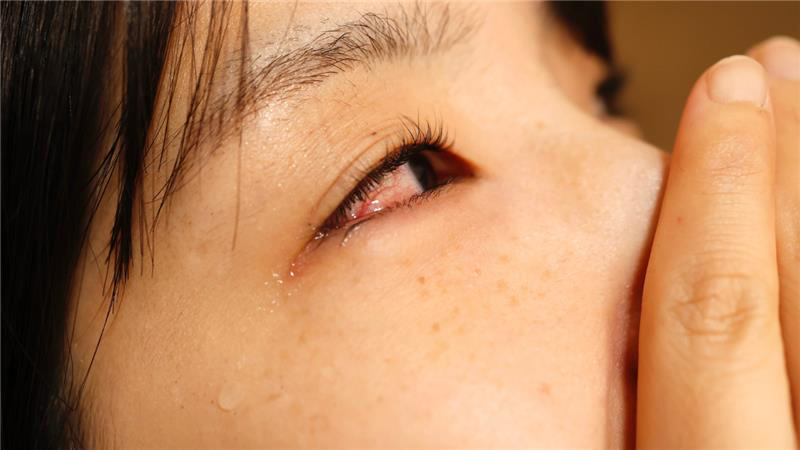
- White of the eye looks pink or red
- Yellow, green, or white discharge that forms a crust on your eyelashes, mainly after sleeping.
- A great deal of eyelid swelling or its surrounding tissue
- More light sensitivity (photophobia)
- A feeling of real pain, not simply an uncomfortable feeling in the eye, or around it.
- Symptoms that get worse very quickly as the day progresses
- Your symptoms are only in one eye (although an infection can spread to both eyes)
An eye infection is different from an infection because infections don’t get better on their own unless you receive specific treatment. If your symptoms include discharge, obvious swelling or even pain in your eye, having your eyes checked immediately is key to prevent more serious complications.
Which Symptoms Overlap Between the Two Conditions?
Dry eye and eye infections can each cause redness, irritation, sensitivity to light, and an overall feeling of eye discomfort. This is why many people find it difficult to tell them apart. Eyes that get watery or tear up a lot are another symptom that each condition shares because both of these conditions can cause a reflexive teary response. In both of these cases, even vision that has gotten mildly blurry makes self-diagnosis pretty difficult.
The important point is to be sure to look at the complete issue, instead of focusing on any one of the troublesome symptoms. If you’re experiencing discharge, swelling and eye pain, it’s more likely that you have an infection. However, if these symptoms show up because of environmental triggers or excessive screen time, it is more likely that dry eye is the culprit. When you are unsure, it is always safest to get professionally evaluated because getting the wrong treatment (like using eye drops in an infected eye) might do more harm than good.
What Causes Dry Eye vs. What Causes an Eye Infection?
Although the outward symptoms of the two conditions seem very similar, their root causes are very different.
Dry eye is typically caused by:
- Getting older, mainly in those over 50
- Changes in hormones, particularly during menopause
- Looking at screens for a long time that lowers the blink rate
- Antihistamines, antidepressants, and drugs for controlling blood pressure
- Exposure to dry climates, wind, or air-conditioned environments
- Those who wear contact lenses
- Sjogren’s Syndrome or even rheumatoid arthritis which are autoimmune conditions
- Other eye surgeries you’ve had including LASIK
Eye infections are typically caused by:
- Many bacteria, (particularly Staphylococcus or the Streptococcus species)
- Certain viruses like adenovirus and herpes simplex
- fungi, or parasites that are not as common, but are more serious
- Being in close contact with a person who is already infected, or with a contaminated surface
- Poor cleanliness of contact lenses, or wearing them too much
- Your immune system has become weakened
Having a good understanding of the root causes of each is important because it affects your treatment and the way you approach it. You can manage dry eye by making a few adjustments to your lifestyle and continuing eye care. Infections, on the other hand, need prescription medications to be completely resolved.
Can You Have Both at the Same Time?
Yes, having both simultaneously is much more common than people think. If you have chronic dry eye, it can raise your risk of getting an eye infection. When the tear film is not sufficiently adequate, the eye’s natural defenses become compromised. This makes it easier for bacteria and other pathogens to gain traction. Those wearing contacts are especially susceptible.
If both of these conditions appear at the same time, it can be more difficult to interpret them as treatment becomes more exacting. Here’s a good example – some treatments for dry eye might need adjustment in case there is already an infection. For this reason, it is important to get the correct diagnosis from your eye care professional rather than treating it by yourself. Your eye doctor will know if one of these conditions is affecting the other and will tailor a plan for you that will address both.
What Are the Treatment Options for Dry Eye vs. Eye Infection?
The treatments are different. It depends on which condition is affecting you. For this reason, getting an accurate diagnosis is key.
Dry eye treatments may include:
- Over-the-counter or even prescription medications like artificial tears or lubricating eye drops
- Anti-inflammatory prescription eye drops like cyclosporine (Restasis) or Lifitegrast (Xiidra)
- Use of a warm compress and good lid hygiene to deal with meibomian gland dysfunction
- A good supplement like Omega-3 fatty acid
- Reduction of tear drainage with punctal plugs
- Certain in-office treatments like LipiFlow or an intense pulsed light (IPL) therapy
- Getting adjustments made to medications that might be adding to the dryness
Eye infection treatments may include:
- Use of antibiotic eye drops or ointments for infections that are of a bacterial nature.
- Using antiviral medications for a viral infection like herpes-related conjunctivitis
- Use of antifungal treatments when the infections are fungi-related
- Use of cold compresses and getting supporting care when mild viral conjunctivitis is the cause
- Stop using contact lenses until the infection has completely cleared up
- In cases that are more severe, the use of oral medicines or keeping a watchful eye in order to prevent damage to your eyesight
In most cases, over-the-counter eyedrops by themselves are hardly ever sufficient to clear up an eye infection. The very best way to recover as fast as possible and avoid spreading the infection to others if you think you might have an eye infection, is to get the correct prescription treatment as soon as you can.
When Should You Schedule an Appointment at Golden Vision for Dry Eye or an Eye Infection?
It is always prudent to get your eyes checked sooner instead of later when it comes to caring for your eyes. It is important to schedule your appointment at Golden Vision if you notice certain symptoms such as redness, irritated eyes or prolonged discomfort. Other symptoms such as discharge, crusting or swelling around the eye area or even pain or suddenly becoming sensitive to light also warrant making a Golden Vision appointment.
At Golden Vision, our experienced team will be able to determine precisely what is happening with your eyes and can recommend a personally tailored treatment plan. When it comes to your vision, don’t guess. Book your appointment today so that you will get the answers you need.